
Welcome to the Parks, Recreation and Tourism's Park and Facility Planning Division page!
Park and Facility PlanningCurrently, the Chesapeake Park System contains 89 parks with 3480 acres of land, and is growing!
The department is actively working towards a 10-minute walk goal, ensuring that all Chesapeake residents live within a 10-minute walk of a public park or meaningful open space. To achieve this goal, park planning staff works with citizens, city staff, and other stakeholders to acquire, design, and improve parks throughout the City.
Parks, Recreation and Tourism acquires land for future parks through purchase, subdivision requirements, and donations. The team works with real estate agents, developers, architectural and engineering firms, citizens, and state and federal officials to acquire, master plan, and develop these properties into future parks. In addition, park planning duties include working on park issues with various departments, boards, and commissions, such as the Chesapeake Environmental Improvement Council (CEIC) Landscaping Committee, CEIC Tree Board, Chesapeake Bicycle/Trails Advisory Committee, and more. The department is actively working towards a 10-minute walk goal, ensuring that all Chesapeake residents live within a 10-minute walk of a public park or meaningful open space. To achieve this goal, park planning staff works with citizens, city staff, and other stakeholders to acquire, design, and improve parks throughout the City.
Chesapeake Parks, Recreation and Tourism (PRT) is excited to embark on an update and makeover to its Parks, Recreation and Tourism Master Plan! This year-long process will feature analyzation of current park and facility usage to help guide future desired outcomes and recommendations with concentrated input from the City’s citizens and visitors. The hope is to emphasize the strengths of our community, identify missing needs, and form a tactical document that will help guide the short and long-term maintenance, operation, and future approaches for the City's parks, recreational and historical facilities, and equitable programming for all residents and visitors.
The Chesapeake PRT Master Plan will be a strategic and comprehensive document that outlines the long-term vision, goals, and objectives for developing, enhancing, and managing parks and recreational facilities within our community. Our goal is to create a roadmap for decision-making, resource allocation, and future infrastructure development efforts to ensure that the community's recreational needs are met and that the PRT system is forwarding the vision of defining Chesapeake as an exceptional place to live, learn, work, farm, and play.
View more information on the PRT Master Plan Page
South Norfolk Community GardenThe South Norfolk Community Garden is now under the management of Parks, Recreation and Tourism! Head to the South Norfolk Community Garden web page for more information, to volunteer with us, or to sign up to rent your own garden bed.
Landscape DesignOur landscape design staff aims to beautify our City's built environment by designing, installing, and maintaining attractive landscape foundations around City facilities such as community centers, libraries, and other municipal buildings. In addition to plantings around buildings, landscape design also enhances more natural areas in the city's parks, including meadow-making and park gateway signage.
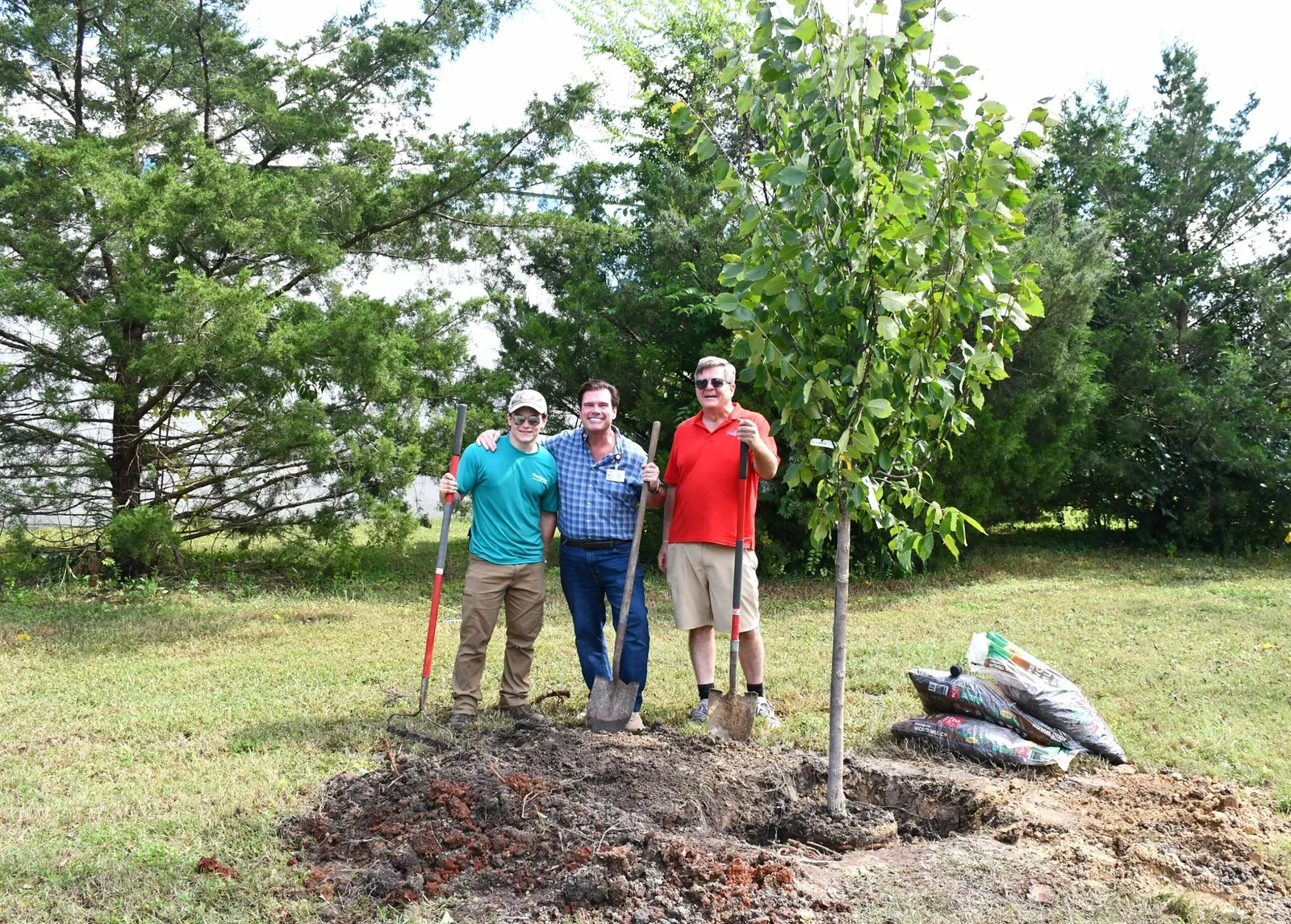
Urban ForestryOur urban forestry staff has been tasked with engaging the staff and residents of Chesapeake in the protection, enhancement, and sustainability of Chesapeake's urban forests. Staff is working hard to ensure that the benefits of a healthy urban forest are available to current residents and visitors as well as future generations. Making Chesapeake a better place to live, learn, work, farm, and play one tree at a time.
The Chesapeake Tree ListThe team has been hard at work creating the Chesapeake Tree List (PDF) to guide the citizens of Chesapeake in tree selection. The list contains a variety of tree sizes and types with detailed information about site conditions needed for different tree types to thrive.